Back

Two platforms, one product: B2B
pensions for HR and brokers

Year2022
CategoryFinancial services / pensions
ClientVinci
Two platforms, one product: B2B pensions for HR and brokers case study visual

Project Overview

Vinci entered corporate pensions with deep specialist knowledge but no user-facing platform. The strategic risk was treating HR administrators and insurance brokers as one generic B2B user.

Designed two role-specific platforms on a shared data foundation: an exception-first HR administration surface and a broker proposal workspace for live plan configuration.

Reader brief

Vinci is not just another case study

Vinci needed to enter corporate pensions with one platform, but research showed two very different operating modes: HR specialists audited batches and exceptions; brokers configured deals live with corporate buyers. I led research, workshop facilitation, IA, and UI for two focused surfaces on one shared foundation, shipping a user-tested B2B platform in three months.

Phase 0105Why one platform would fail both audiences

The research killed the tempting middle-ground product.

Vinci had the financial expertise to enter corporate pensions, but the product brief hid two incompatible workflows inside the word “platform.”

HR specialists worked in batch mode. They processed employee groups, reconciled invoices, handled plan changes, and looked for exceptions before they became payroll or compliance problems.

Brokers worked in deal mode. They needed to model contribution scenarios, compare options, and keep a corporate buyer in the conversation without disappearing into spreadsheets or static decks.

Competitor analysis gave us hypotheses; interviews with HR specialists and brokers tested them. By week two, the evidence pointed away from a configurable single surface and toward two focused products sharing the same data foundation.

Phase 0205Design Decisions

Six screens, three per platform, each solving a core audience tension.

The design work separated the two platforms while sharing foundations. Each major screen embodied a principle derived from research: HR needed batch operations and exception visibility; brokers needed deal speed and visual persuasion.

Decision 01

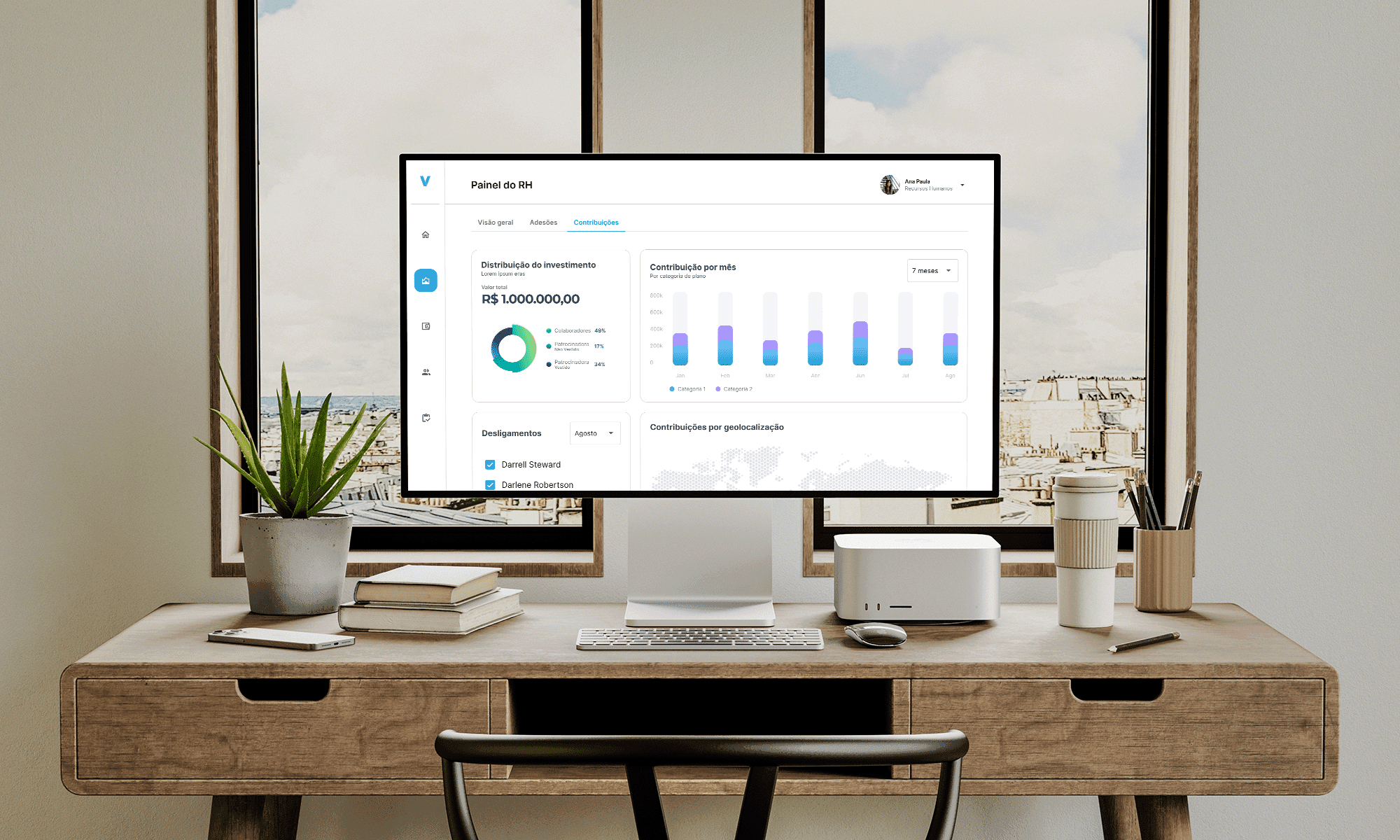
Data table as primary view for HR, not dashboard cards

HR specialists worked with hundreds of employees at a time. Card-based dashboards — popular in consumer fintech — forced them to scroll endlessly to find outliers. They needed density and filtering, not visual simplicity.

Designed the HR primary view as a data table with advanced filtering, sorting, and bulk actions. Exception highlighting (unusual contributions, missing data, compliance flags) surfaced without manual scanning.

HR specialists could process batches efficiently and catch exceptions without hunting. The table format matched their existing mental models from HRIS and payroll systems.

The design reduced the conditions that created reconciliation rework: hidden exceptions, low-density scanning, and decisions spread across disconnected views.
Decision 02

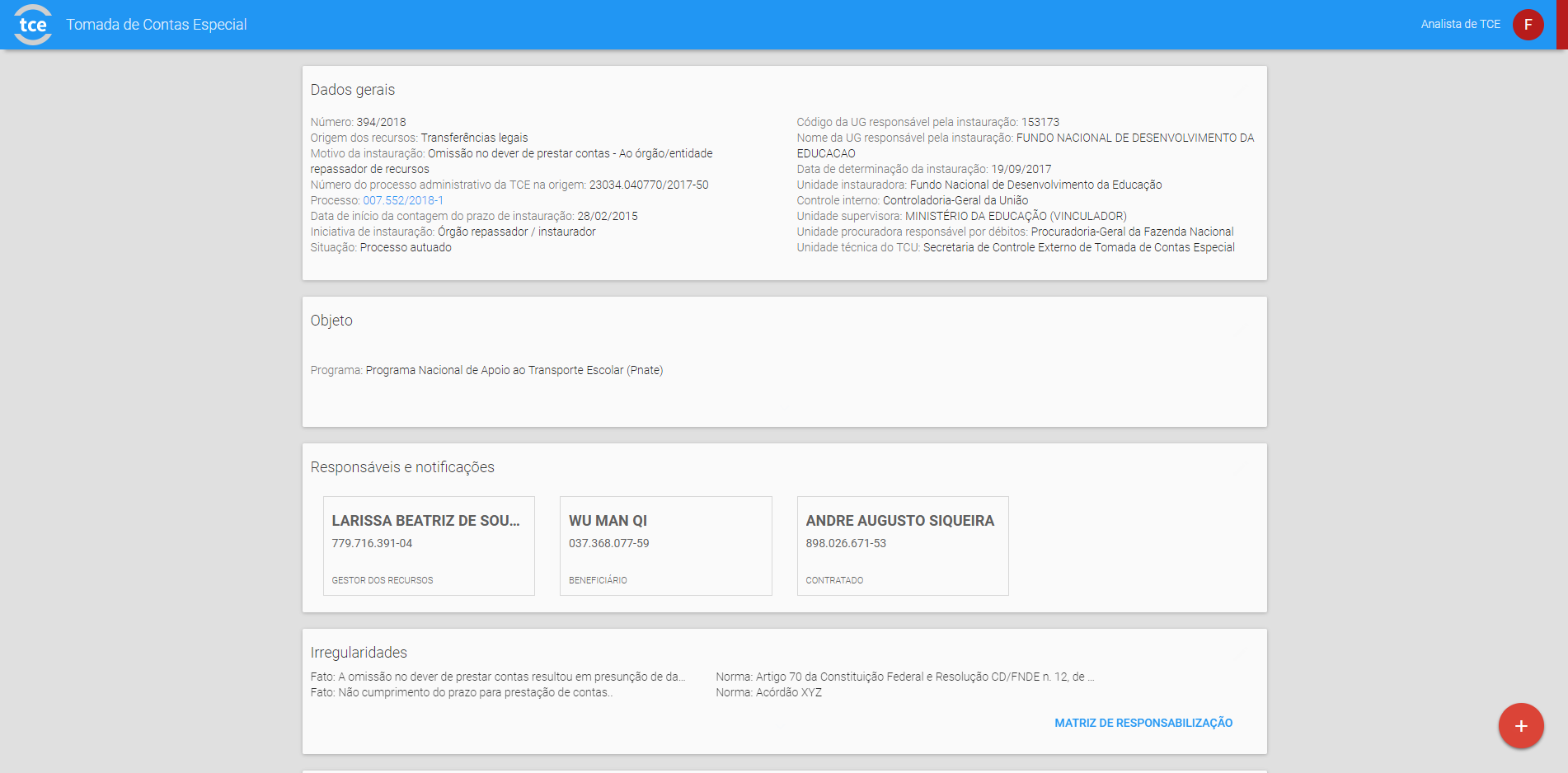
Wizard-based enrollment for predictable HR workflows

New-hire enrollment happened in predictable bursts — January onboarding, mid-year hires. HR needed to process many employees through the same steps without errors. The existing process was ad-hoc, prone to missed steps.

Built a wizard workflow for enrollment: upload roster, validate data, confirm contributions, submit. Progress indicators showed completion state for each employee. Error states trapped issues before submission.

Enrollment became systematic rather than ad-hoc. HR specialists could process batches confidently, knowing the wizard enforced completeness.

The validation step moved risk upstream. HR could catch missing or malformed roster data before it became downstream support, payroll, or reconciliation work.

Decision 03

Automated compliance reporting with preview

Quarterly compliance reporting required collating data from multiple sources, formatting to regulatory specifications, and manual review. HR spent days preparing reports that should have been automatic.

Built one-click report generation with preview before submission. Data pulled automatically from the platform; formatting followed regulatory templates. Preview let HR verify accuracy before formal submission.

Report preparation became easier to inspect because HR could preview the final artifact before formal submission.

Reporting shifted from manual compilation risk to a previewable workflow where HR retained the final accountability check.

Decision 04

Proposal builder with side-by-side scenario comparison

Brokers configured pension proposals by manually calculating contribution scenarios and building presentations in PowerPoint. Each iteration with the client required recalculation and reformatting.

Built a proposal builder with real-time scenario comparison. Brokers could adjust contribution rates, employer matches, vesting schedules and see immediate impact on retirement projections. Side-by-side comparison showed multiple scenarios simultaneously.

Brokers could iterate with clients in real-time rather than "I'll get back to you." The visual comparison made trade-offs concrete: "See how increasing the match affects projected retirement age."

The live simulator removed proposal rework from the middle of the sales conversation and made Vinci feel more credible than static presentation workflows.

Decision 05

Deal pipeline view for broker workflow management

Brokers managed multiple deals simultaneously, each at different stages: initial contact, needs assessment, proposal, negotiation, closing. They needed visibility across their pipeline, not just the current deal.

Designed a deal pipeline view showing all active deals by stage, with quick-access to each proposal. Color-coded indicators showed deal health: green for on-track, yellow for stalled, red for at-risk.

Brokers could manage their portfolio of deals without losing track. The pipeline view replaced spreadsheet tracking and sticky notes.

The pipeline view created a cleaner operating rhythm: stalled deals, missing actions, and next steps became visible instead of living in private notes.

Decision 06

Integrated presentation mode for client meetings

Brokers exported proposals to PowerPoint for client meetings, then manually updated when clients asked "what if?" questions. The export-and-present workflow broke the interactive conversation.

Built presentation mode directly into the proposal builder. Brokers could project the interface during client meetings and adjust scenarios in real-time. Changes reflected immediately; no export needed.

Client meetings became interactive conversations rather than static presentations. Brokers could respond to "what if?" questions on the spot.

The presentation mode protected the sales narrative while keeping the underlying numbers adjustable, which is the behavior static exports could not support.

Phase 0305The pivot that made the work credible

We managed stakeholder involvement as a research risk, not a relationship problem.

The client wanted to stay closely involved in selecting and briefing research participants. That created a real credibility risk: if we accepted it blindly, interviews could become feature validation. If we refused it outright, we would damage the relationship.

I designed a middle-path protocol: shared recruiting criteria, intervention rules for leading questions, and post-interview cross-checks against competitor workflows and neutral evidence.

That safeguard mattered because the research had to support a difficult recommendation: build two platforms, not one. The dual-platform decision became easier to defend because the evidence was visibly cleaner.

Testing then happened in weekly working sessions with HR and broker reference users. Each session reviewed three to four screens, and feedback moved into the next iteration.

The HR table view was initially too dense. We had optimized for information density but sacrificed readability. Testers asked for adjustable column widths and row density controls. We added both; HR specialists customized their views immediately.

The broker proposal builder lacked a comparison reset. Users could create scenarios but struggled to return to baseline. We added a "reset to original" control that preserved the conversation flow.

The wizard step indicators were confusing. HR specialists did not understand which steps were complete versus in progress. We moved from abstract dots to explicit status labels: "Pending," "In Progress," and "Complete."

Phase 0405Impact

Two platforms shipped, research-validated, in three months.

Shipped two distinct platforms on a shared data foundation in three months. The dual-platform decision, validated through research, prevented a single-product compromise that would have pleased neither audience.

100+ research insights anchored every priority call. When debates arose about feature sequencing, we referenced the interview data. Research gave us ground to stand on.

The shared design system enabled the timeline. Component reuse across HR and broker platforms meant neither surface was an afterthought. Without shared foundations, three months would have shipped one platform well and one poorly.

User story quality improved after the rewrite. The product manager's second-draft stories — written after internalizing user motivations — drove clearer priority decisions than the technical specifications she started with.

Stakeholder engagement remained healthy despite the research protocol. The mitigation strategy — checkpoints, intervention protocols, cross-checks — preserved both data quality and the client relationship.

Phase 0505Learnings

What worked, what was hardest, what I'd do differently.

What worked: The dual-platform decision actually simplified stakeholder conversations. When we presented research showing the two audiences had non-overlapping primary tasks, the "build two" recommendation felt inevitable rather than expensive. The data made the case.

What was hardest: Managing stakeholder involvement in research without damaging the relationship or biasing the data. The protocol — explicit checkpoints, intervention triggers, cross-checks — was more work than expected but worth it.

What I'd do differently: Get the product manager into user research sessions from day one. By the time she rewrote stories the second time, she understood the audiences. Bringing her into interviews earlier would have saved a rewrite and caught priority calls we made twice.

What surprised me: The shared design system was not just efficient — it was essential. Three months for two platforms was only possible because components could be reused. I had expected efficiency gains; I had not expected the project to be impossible without them.