13+
years designing digital products
Across govtech, fintech, real estate intelligence, AI products, and design systems.
A Senior Product Designer and UX Strategist | Behavioral Design · Analog and Systems Thinking | 13 yrs on the craft. Turning non-deterministic systems into experiences people can rely on.


Product strategy, trust mechanics, visual systems, and front-end behavior as one continuous material.
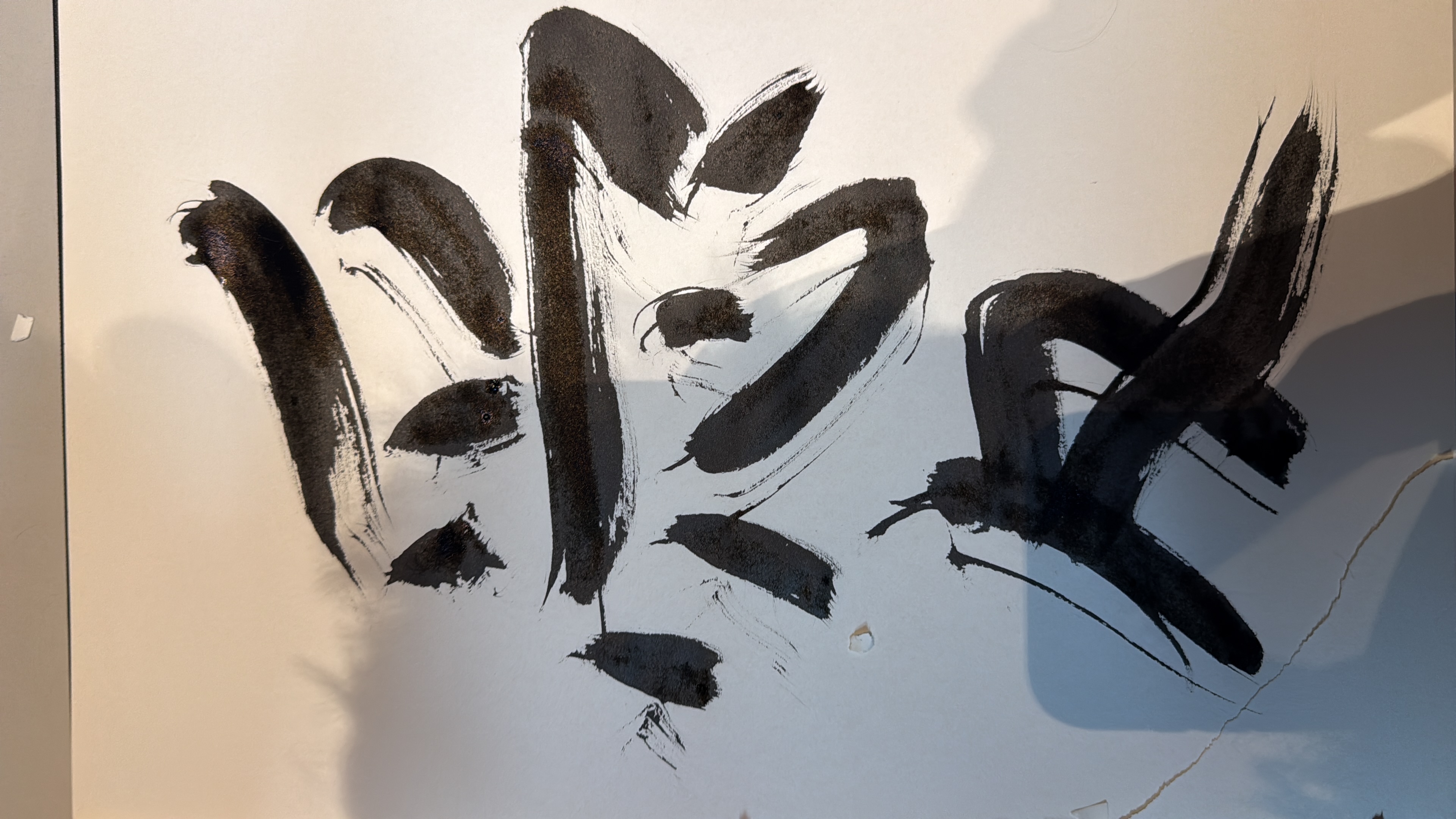
Kihon: excellence in the fundamentals.
Brasilia, working with teams across the Americas and Europe.
I design the relationship between people and systems they cannot fully predict.
My work sits where AI product design, behavior, evidence, and implementation meet. I care about the exact moment a person decides whether an output is safe enough to use.
My thinking is naturally analogical and visual. I pull patterns across Kendo, audit bureaucracy, behavioral economics, semiotics, and GenUI, then turn those patterns into interfaces people can rely on.
Across govtech, fintech, real estate intelligence, AI products, and design systems.
Measured impact from an AI-assisted auditing platform at Brazil's Federal Court of Accounts.
UX improvements that helped reposition Markerr from data provider to product company.
Raising team craft through critiques, methods, prototypes, and clearer handoff systems.
Senior product designer and UX engineer for AI-native systems.
I design the interaction layer where people decide whether generated outputs are reliable enough to act on.
I make uncertainty legible through input shaping, confidence surfaces, correction loops, and failure states.
I build component logic, token architecture, documentation, and implementation-ready specs close to code.
I use TypeScript, React, Framer, and Storybook to test behavior early and keep production aligned with intent.
The interface has to show what the system is doing, where the evidence came from, and how a person can intervene when the output feels wrong.
Better AI experiences often begin before the screen: with structured prompts, cleaner data, stronger defaults, and constraints that make outputs easier to verify.
Low confidence, partial matches, latency, hallucination risk, and correction flows are not edge cases. They are the moments that teach people what a product is worth.
Fundamentals are not slogans. They are what remains under pressure.
In Kendo, ki-ken-tai-ichi means spirit, sword, and body arriving as one. A strike only counts when intent, action, and form land together. I have trained toward that for years, and it shapes my design practice more than any framework.
In product work, the same idea becomes strategic alignment: human intent, system legibility, and input structure have to arrive together. If one is missing, the interface asks for trust it has not earned.
2011
The early years taught me that a screen is never just a screen. It is a promise inside someone else's workday.
2017
At the Brazilian Federal Court of Accounts, a skeptical director trusted an AI-generated draft because the workflow made it reviewable.
2020
I led token architecture, component specifications, QA routines, and handoff rituals for large product teams.
2024
GenUI, LLM product surfaces, AI workflow tools, and correction mechanics became the center of the practice.
2026
My current work sits between product strategy, UX engineering, promptable interfaces, and implementation detail.

Figma

Framer

React

Claude Code

Cursor

OpenAI

Perplexity

GitHub
AI interfaces with visible reasoning, human correction, structured inputs, and production-grade handoff.
Open to relocation with visa sponsorship.
UX Engineer
Built an internal AI wireframing tool with Claude Code, shipped browser-based prototypes for complex interaction intent, and authored Storybook demos and React specs with engineering.
Senior UX Designer - LLM & AI Products
Designed GenUI frameworks, AI product surfaces, and data-driven UX performance metrics while helping reposition the product experience ahead of acquisition.
Senior UX Designer
Delivered high-fidelity interactive prototypes, structured usability tests, and mentoring for a team of 15+ peers across user-centered and interaction design methods.
UX Design Lead
Directed design system lifecycle work from token architecture and component specification to developer handoff, QA review, and team adoption.
Senior UX Designer
Led UX/UI for an AI-powered auditing platform that reduced report creation time by 63% and improved review workflows for public auditors.
Senior UX Designer
Led a cross-functional design team through iterative UI concepts, usability testing, user research, and benchmark analyses.
Senior product design, design lead, or UX engineering roles on AI-native products where trust, workflow quality, and implementation detail are not secondary concerns.
I treat AI trust as a system of behaviors: structured inputs, visible processing, grounded evidence, correction rights, and measured outcomes.
Close. I build prototypes, write interaction specs, review production behavior, and use React and TypeScript when that is the fastest way to clarify intent.
Brasilia, Brazil. I work remotely with teams across the Americas and Europe in Portuguese and English.
“A strong balance between design expertise and development collaboration. Daniel works effectively with engineering teams to ensure smooth implementation, while still being willing to challenge conventional approaches.”
Santiago Reyes