Vinci
Workshop Facilitation, User research, Competitor Analysis, Interaction Design, UI Design
Project
Details
Vinci Retirement Services, a newcomer to the crowded corporate pension plan market, embarked on a mission to stand out with a revolutionary digital platform. This case study explores their journey, highlighting their user-centric design approach, innovative solutions, and remarkable success—while also acknowledging areas for improvement that can inform future iterations.
Vincy Retirement Services, a fresh bud on the financial giant Vincy Partners, dared to take root in the competitive pension landscape. Armed with seasoned specialists from Vincy, they envisioned a system aiding sales and smooth pension management for corporations, but a crucial piece was missing: the user's voice. Recognizing the need for a human-centered approach, they brought us in to bridge the gap. Our mission? To navigate the terrain of corporate pensions and unearth the needs of their future customers, ensuring Vincy's platform wouldn't just bloom, it would thrive
Our mission wasn't just to build software, it was to craft a symphony of user-centric solutions. Each note, each melody, meticulously composed to dance to the rhythm of Vinci's B2B users. Here's how we aimed to make music together:
Insurance Brokers:
- Leveraging agility to close deals: They needed a platform that speeds up the process of talking to corporations representatives, and having flexibility enough to tailor and adjust unique corporation plans for each of their clients.
- Effortless Efficiency: Ditch the administrative black hole. Streamlined features would take the sting out of paperwork, freeing brokers to focus on building relationships and closing deals. Time saved, energy channeled, a harmonious flow of productivity.
HR Specialists:
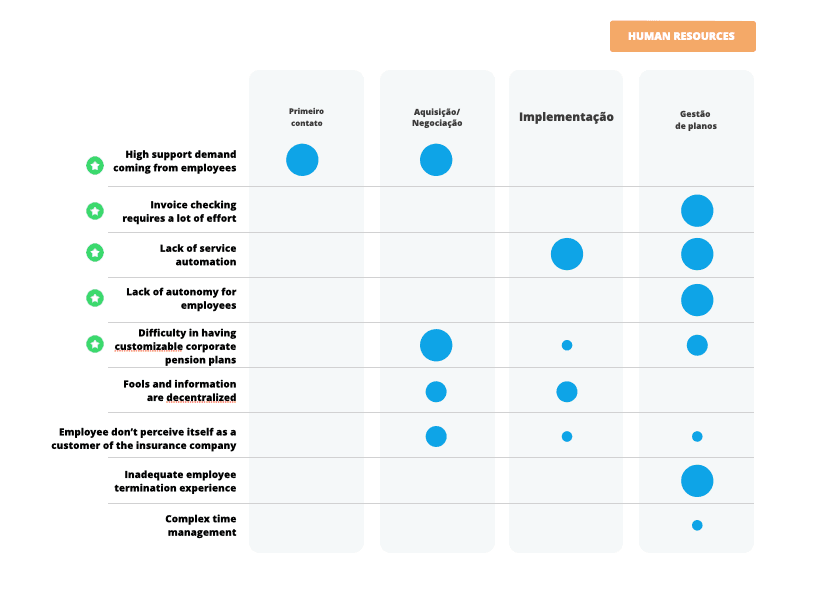
- Taming the invoice reconciliation beast: reduce the time-effort on the task while they administrate a symphony of other corporation tasks.
- Crystal Ball Insights: Equip with them to confidently guide new employees to make informed decisions.
- Data visualization: Enable HR to trace the effectiveness of new company's benefit strategies
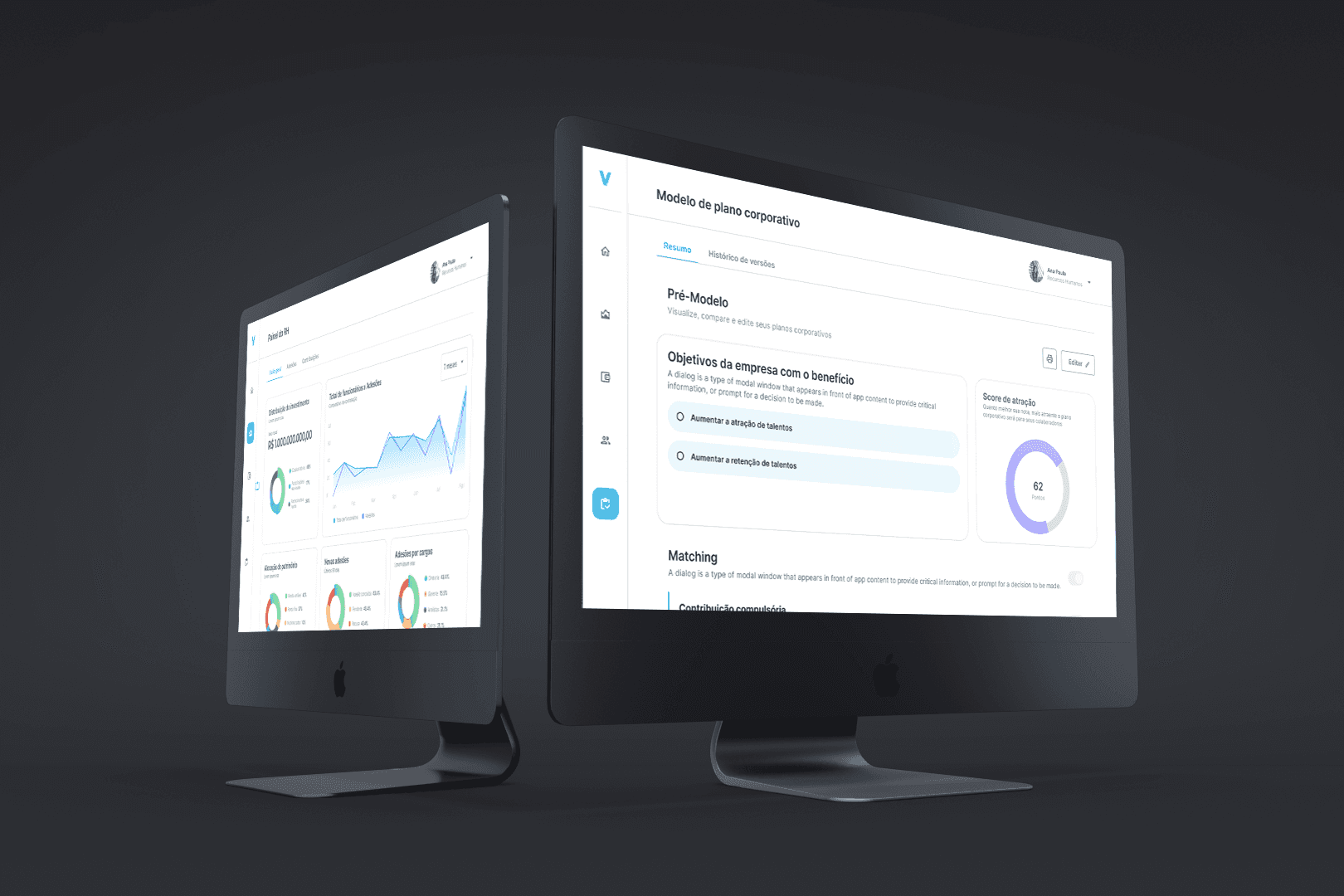
The dedication to user-centric design paid off big time. Within three months, we were able to deliver a user-tested dual-platform, catering to the unique needs of both HR and brokers.
For insurance brokers: the Modular Pension Plan Simulator became their magic wand. Customization flew by, deals closed like lightning, and fair compensation rewarded their hustle. Sales became a victory lap, not a tedious marathon.
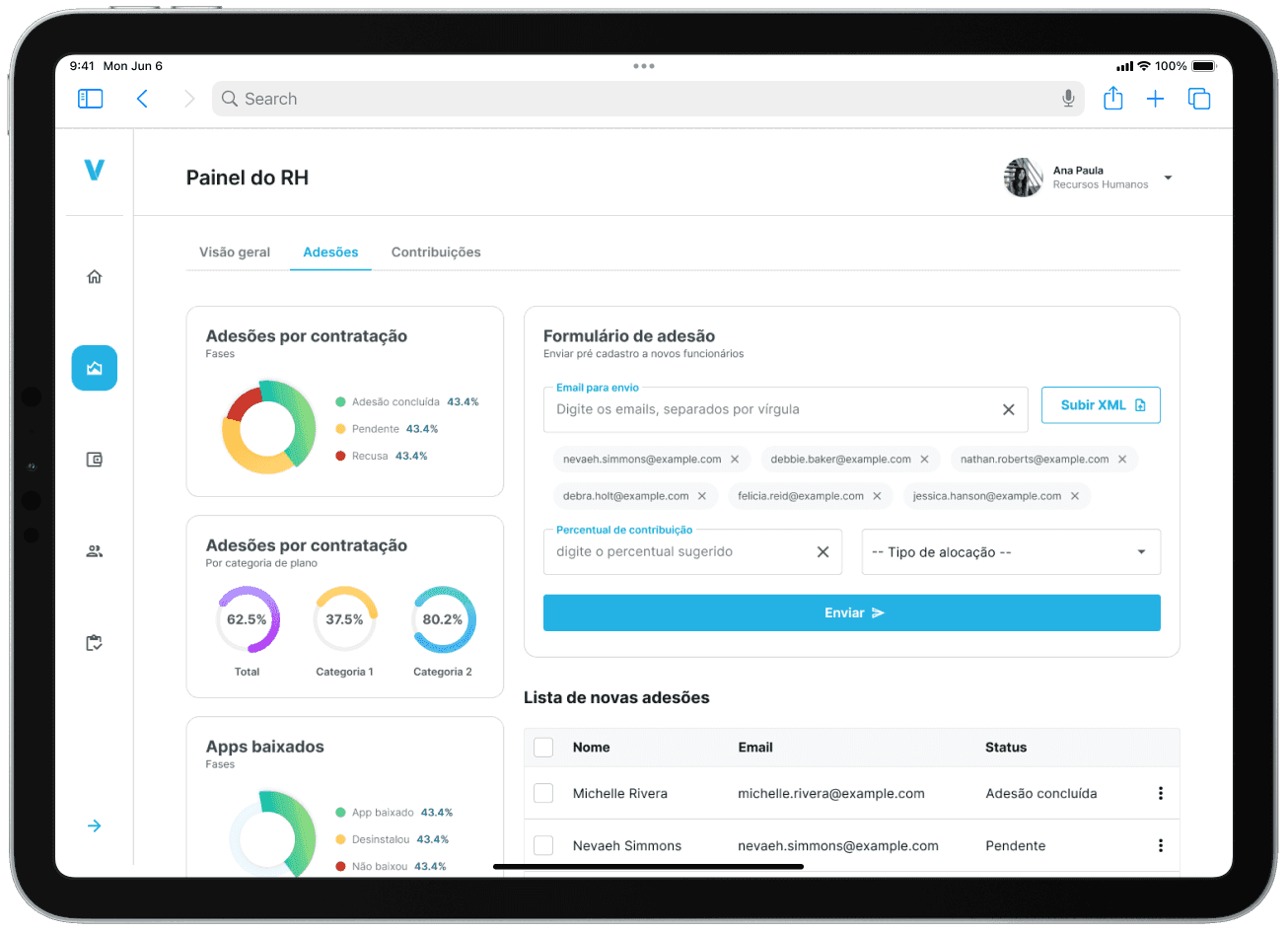
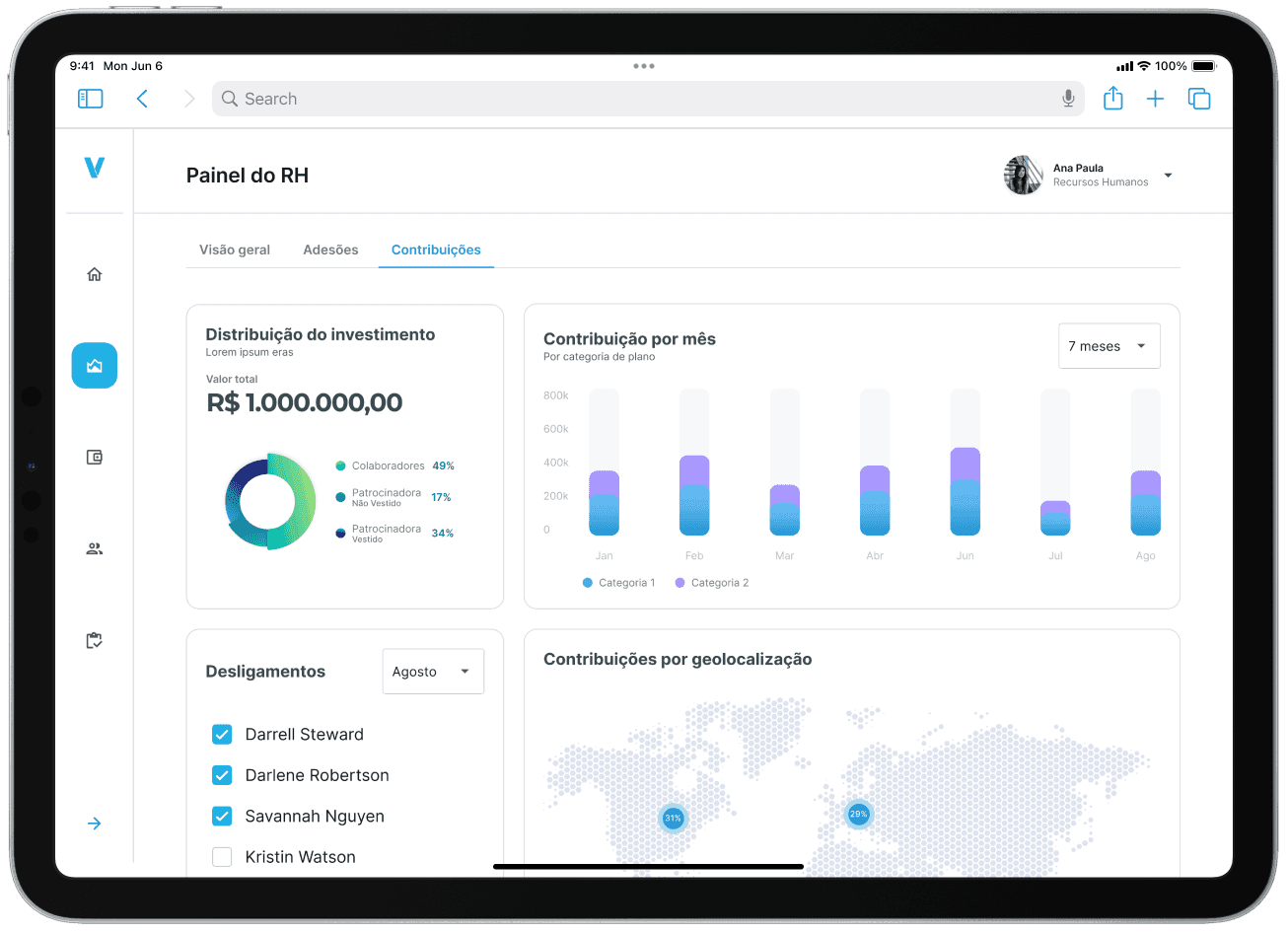
HR specialists finally broke free from paperwork purgatory. Invoice reconciliation became a tap dance, data morphed into crystal-clear dashboards, and employee plan changes pirouetted into existence. Armed with newfound insights, they were empowered to trace the effectiveness of their strategies, ensuring every employee benefit played its part in the company's well-being symphony.
This user-centric approach wasn't just a win for Vinci's platform, it was a standing ovation for their customers. The platform became the conductor, harmonizing efficiency, empowerment, and success for everyone involved.
how we get there
Our engagement with Vinci Retirement Services commenced with a comprehensive competitor analysis. This critical step unveiled industry best practices and established valuable context for subsequent user research. To gain a deep understanding of Vinci's target user groups, we facilitated in-depth interviews with HR specialists and insurance brokers. These candid conversations, held in collaboration with Vinci's team, yielded rich insights into user pain points and desired functionalities, forming the bedrock of our user-centric solution.
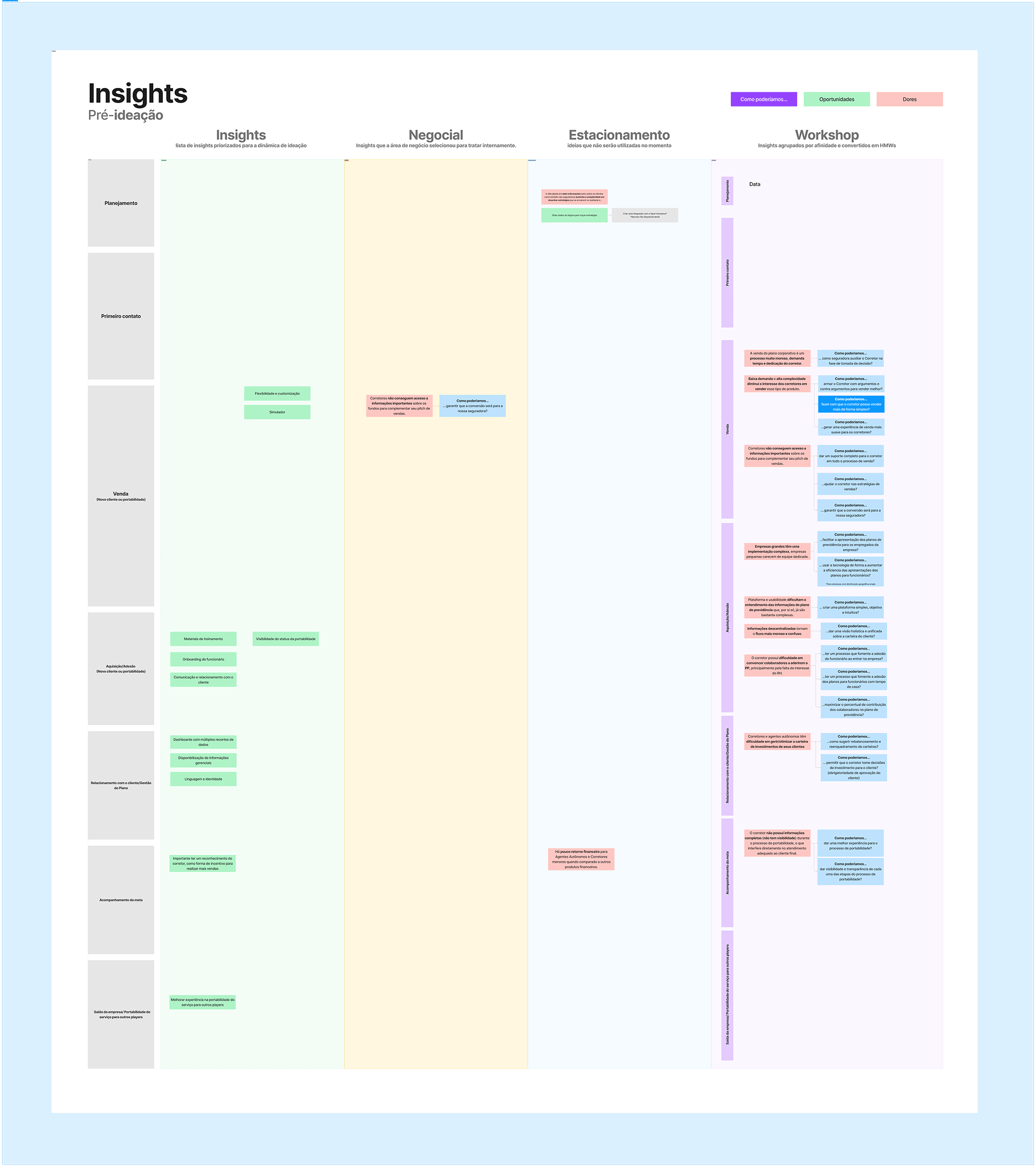
Next, we orchestrated collaborative Lean-Inception workshops, meticulously tailored for each user persona. These interactive sessions brought together key Vinci stakeholders and our design team to collaboratively brainstorm and validate ideas. By prioritizing real-world needs and fostering open communication, we ensured our proposed solutions resonated with both Vinci's strategic vision and user expectations.
The final act of our project involved a rigorous iterative design process. Utilizing a combination of prototypes and mindmaps, we rapidly tested and refined the user interface, incorporating valuable stakeholder feedback at every stage. Through regular presentations and open discussions, we maintained transparency and collaboration, ensuring the final design seamlessly addressed both form and function.

01 Competitor analysis and in-depth interviews
Competitor Analysis:
A thorough examination of existing corporate pension plan platforms gathered insights from the pension market's best practices and user needs; this helped the team to hypothesise about what and how to interview users and provide valuable context for the design process.
Extensive User Research:
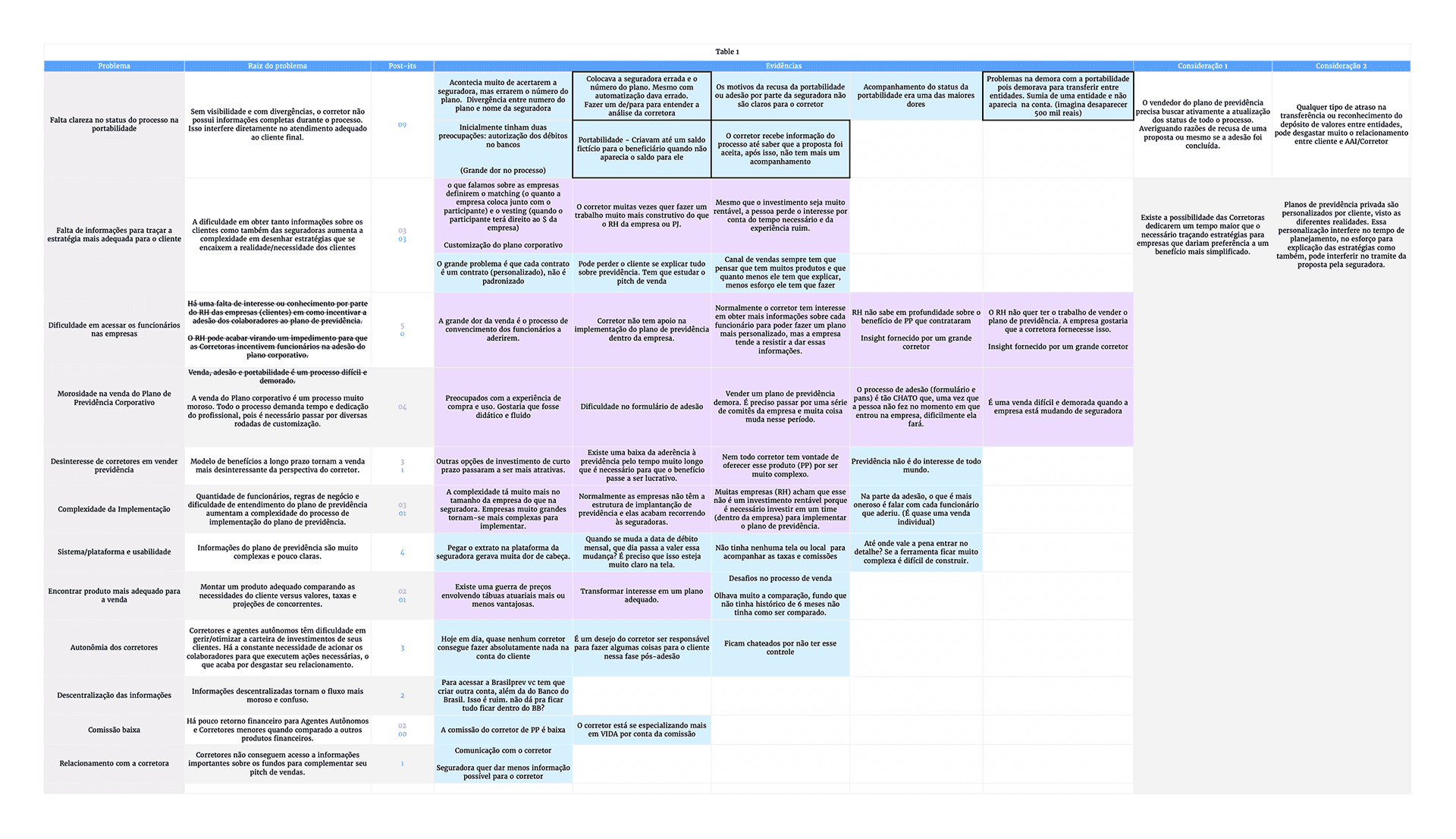
While conducting in-depth interviews with two HR specialists and five insurance brokers, the client requested direct involvement and provided contact information for participants. Their desire to influence the interview process posed a potential risk of bias. To counteract this, the team implemented a comprehensive strategy that included rigorous monitoring, timely intervention, and meticulous post-interview analysis. This thorough approach ensured objectivity and facilitated accurate data interpretation. Consequently, the research yielded over 100 valuable insights into the specific pain points and desired functionalities of the target users. This robust user research provided a deep understanding of the unique needs of both HR professionals and insurance brokers, ultimately guiding the development of a successful and user-centric solution.
HR Specialists:
- Simplify and streamline the payroll process: HR specialists need tools to manage payroll information efficiently and ensure accuracy, reducing the time required for manual data entry and validation.
- Automate invoice reconciliation: HR specialists need a solution that can automatically reconcile insurance invoices with employee payroll information, saving time and eliminating the risk of errors.
- Provide clear and accessible data: HR specialists need access to clear and easy-to-understand data about employee contributions and plan performance, allowing them to make informed decisions and track progress effectively.
Insurance Brokers:
- Streamline pension plan customisation: Insurance brokers need tools to quickly and easily customise pension plan strategies based on the specific needs of each company, reducing the number of rounds of adjustments and validation required.
- Increase sales efficiency: Insurance brokers need tools that improve the efficiency of the sales process, allowing them to close deals faster and spend less time on administrative tasks.
- Fair compensation: Insurance brokers need a fair and transparent compensation structure that reflects the effort and expertise required to sell pension plans.
02 Ideation: Facilitating a Lean Inception workshop
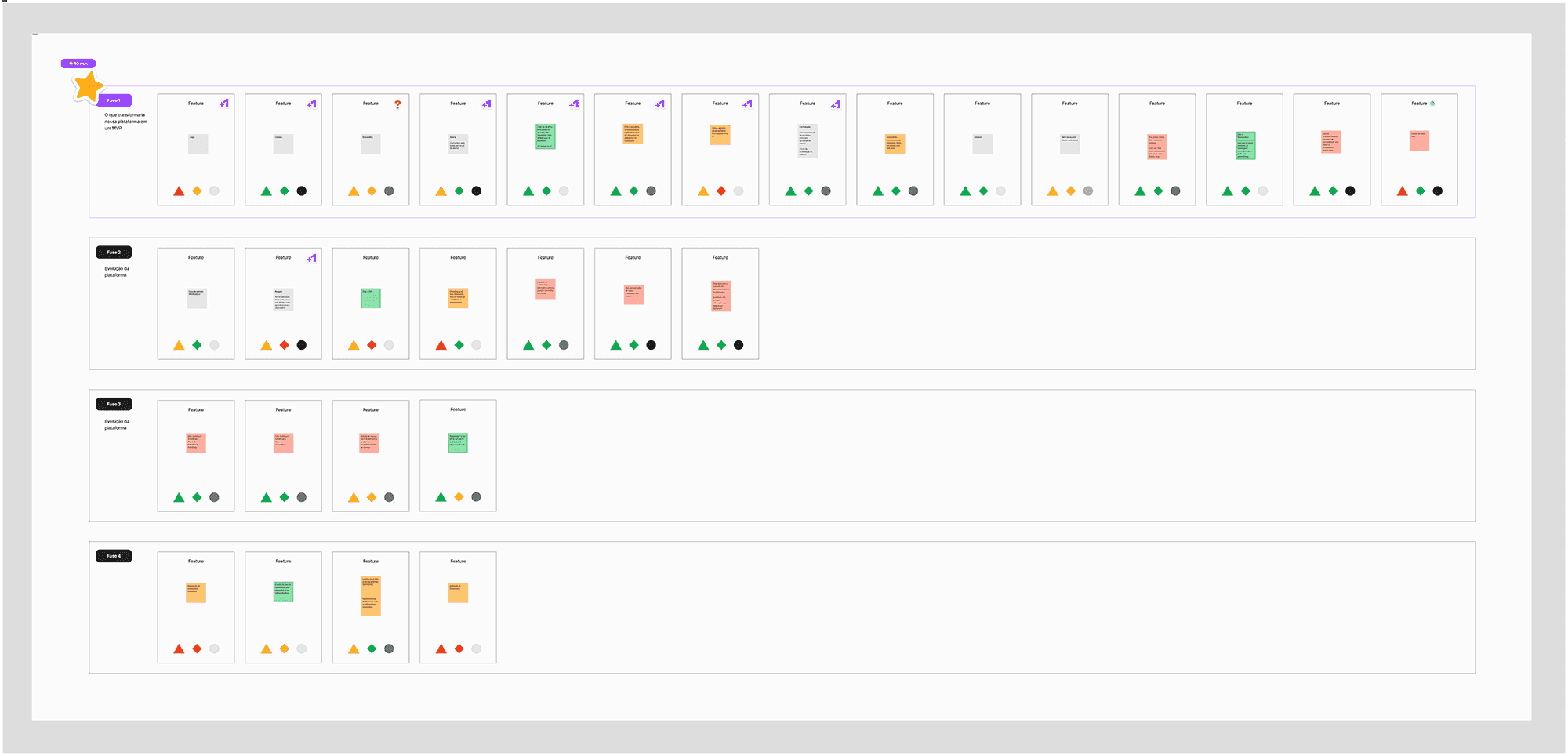
We employed a highly collaborative approach in the Vinci Retirement Services project's ideation phase. Our team held collaborative Lean-Inception workshops involving Vinci's key stakeholders to ensure the ideas developed were closely aligned with the company's and users' real-world needs — tailoring sessions for each different persona to address their specific needs and foster innovative solutions.
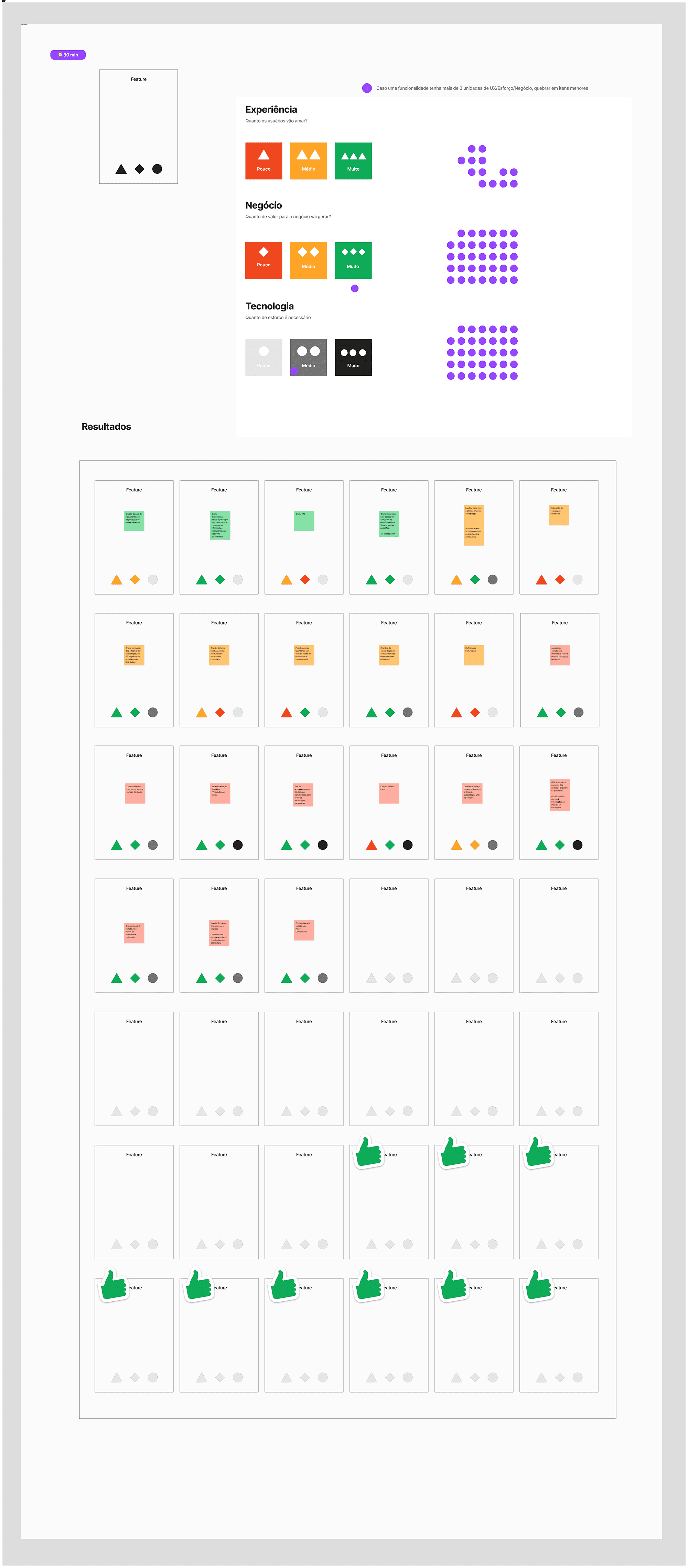
These workshops employed impact-effort matrices and collaborative brainstorming sessions to prioritise features and functionalities based on their potential impact on user experience and business goals. Its output served as a roadmap for the development process. Moreover, we crafted detailed user stories and developed a comprehensive site map, which was instrumental in visualising how the users would interact with the platform.
Since our product manager was unfamiliar with UX design needs, she wrote the user stories in a way that focused on technical details instead of user experience considerations. It required the team to rewrite the user stories twice, ensuring they communicated the user's needs, motivations, and desired outcomes.
A significant decision made during this phase was the development of two distinct platforms: one tailored for insurance brokers to enhance their pension plan sales process and another for HR departments to streamline pension plan management. This dual-platform strategy was a key outcome of our ideation phase, ensuring that the final product would effectively meet the diverse needs of each user group.
This project marks a significant milestone for Vinci Retirement Services in the corporate pension plan market. By thoroughly addressing the unique needs of HR specialists and insurance brokers, VRS has established itself as a leader in offering streamlined, user-centric solutions. The entire journey, from in-depth discovery to the final design phase, highlights our commitment to a user-centered approach, culminating in a product that excels in meeting both user expectations and business objectives.
03 Mind Maps and Feedback Loops: Designing Vinci's Platform One Pixel at a Time
To kickstart this iterative process, my team and I began by collaboratively drawing mind maps. These visual canvases served as an effective tool for collecting and organising system requirements for each screen. By mapping out functionality, user flows, and potential roadblocks, we laid the groundwork for clear communication and efficient iteration.
Next, recognizing the potential for early-stage ambiguity, we embraced a proactive iteration approach. Instead of presenting full-fledged designs, we meticulously showcased individual screens and functionalities, sparking open discussions and collaborative refinement with stakeholders. This rapid dance of feedback and adjustments proved invaluable, as it:
- Demystified design concepts: Stakeholders readily grasped the evolving vision, avoiding misinterpretations and misalignments.
- Fueled real-time feedback: Quick adjustments were made based on immediate input, ensuring final designs matched expectations and needs.
- Strengthened stakeholder buy-in: Constant engagement fostered an atmosphere of ownership and transparency, leading to a seamless adoption process.
This "show, discuss, refine" cycle wasn't just a tactical choice, it was our guiding principle in two key design areas:
Turbocharging Broker Sales:
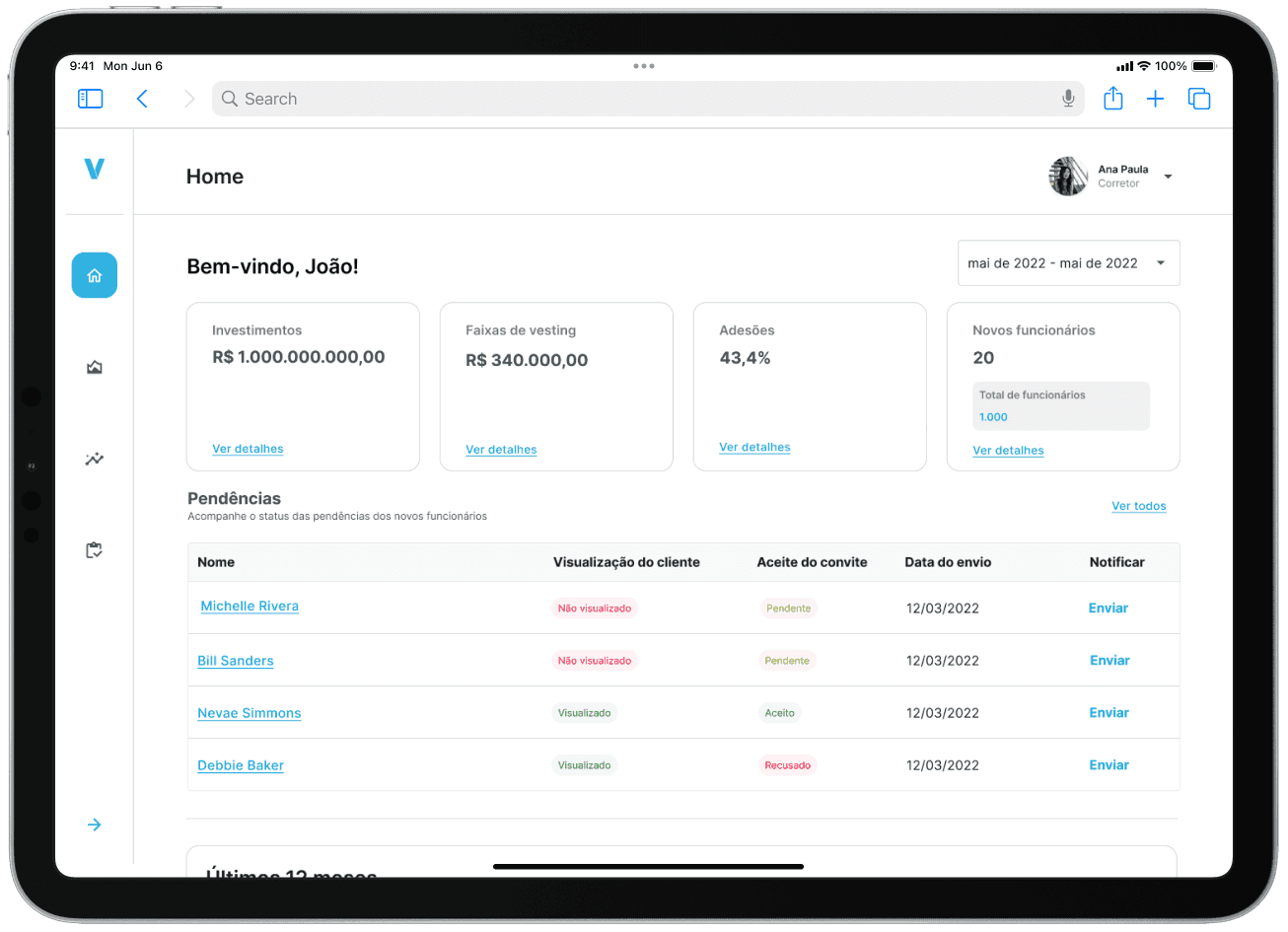
For insurance brokers, we envisioned a modular pension plan simulator, streamlining customization and accelerating the sales process. Collaborating with the client's product owner, we iteratively refined the interface, leveraging mind maps to map out optimal workflows. The result? A smooth, efficient experience that empowered brokers to close deals faster.
Simplifying HR's Reconciliation Workflow
HR specialists craved clarity and control. We responded with intuitive data dashboards, simplifying invoice reconciliation and employee contribution management. Every iteration focused on ease and efficiency, leading to a satisfied and empowered HR team.
This rapid iteration approach served as the bridge between Vinci's vision and the platform's reality. By fostering close collaboration and continuous feedback, we ensured a seamless design journey that met every stakeholder's needs, one pixel at a time.
Learnings
Learnings and Takeaways
- The power of proactive iteration: Early and frequent feedback from stakeholders through rapid prototyping and design discussions can demystify concepts, ensure alignment, and lead to a platform that truly meets user needs.
- User-centricity pays off: Investing time and effort in understanding user pain points and desired functionalities lays the foundation for a successful and satisfying platform experience.
- Collaboration is key: Fostering open communication and a sense of ownership between design teams and stakeholders leads to a more efficient and effective design process.
- Design tools empower design decisions: Tools like mind maps can effectively capture system requirements, map user flows, and identify potential roadblocks, guiding the iterative design process and facilitating clear communication.
Next project
Boarding Assistant
View case study