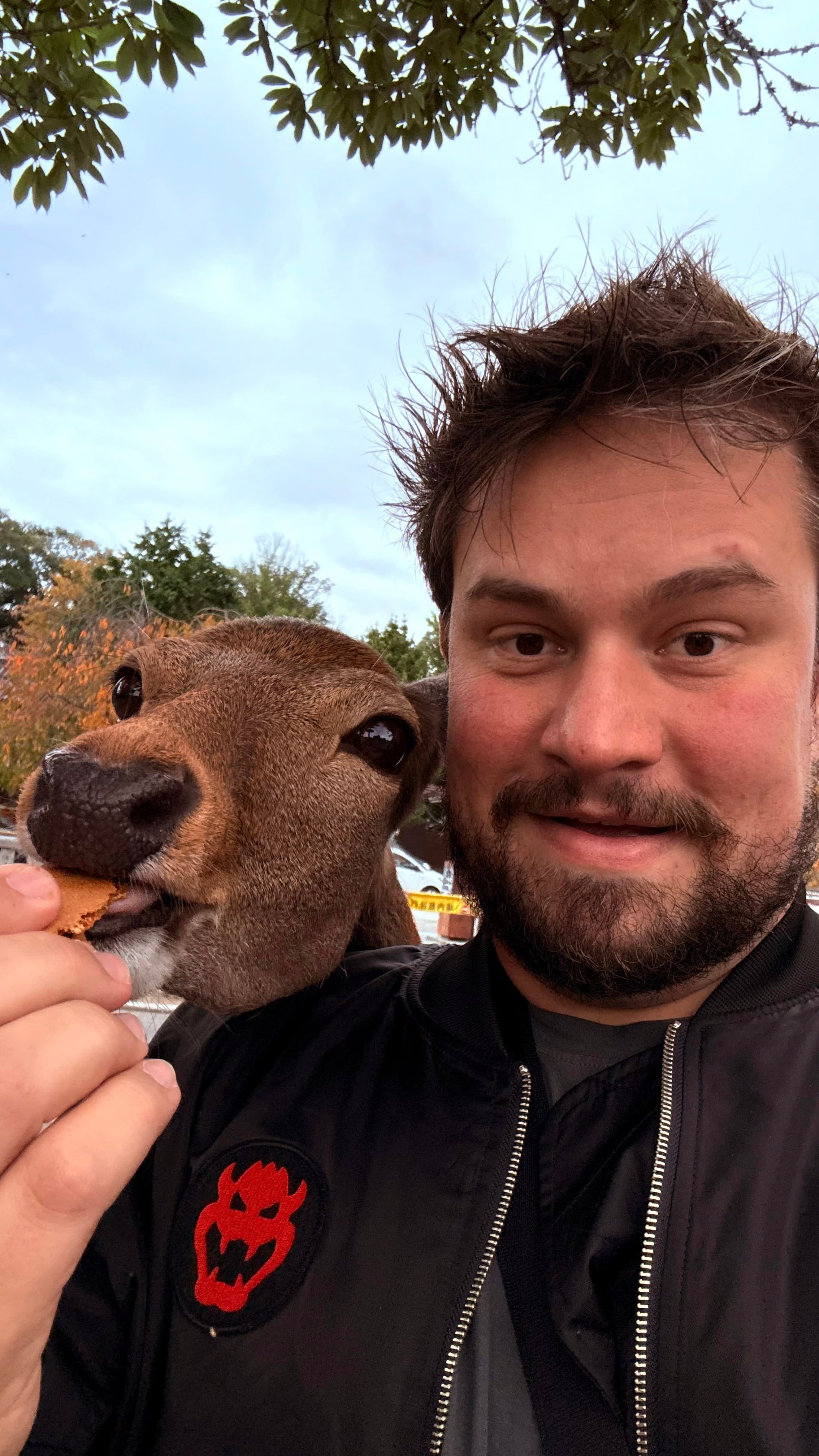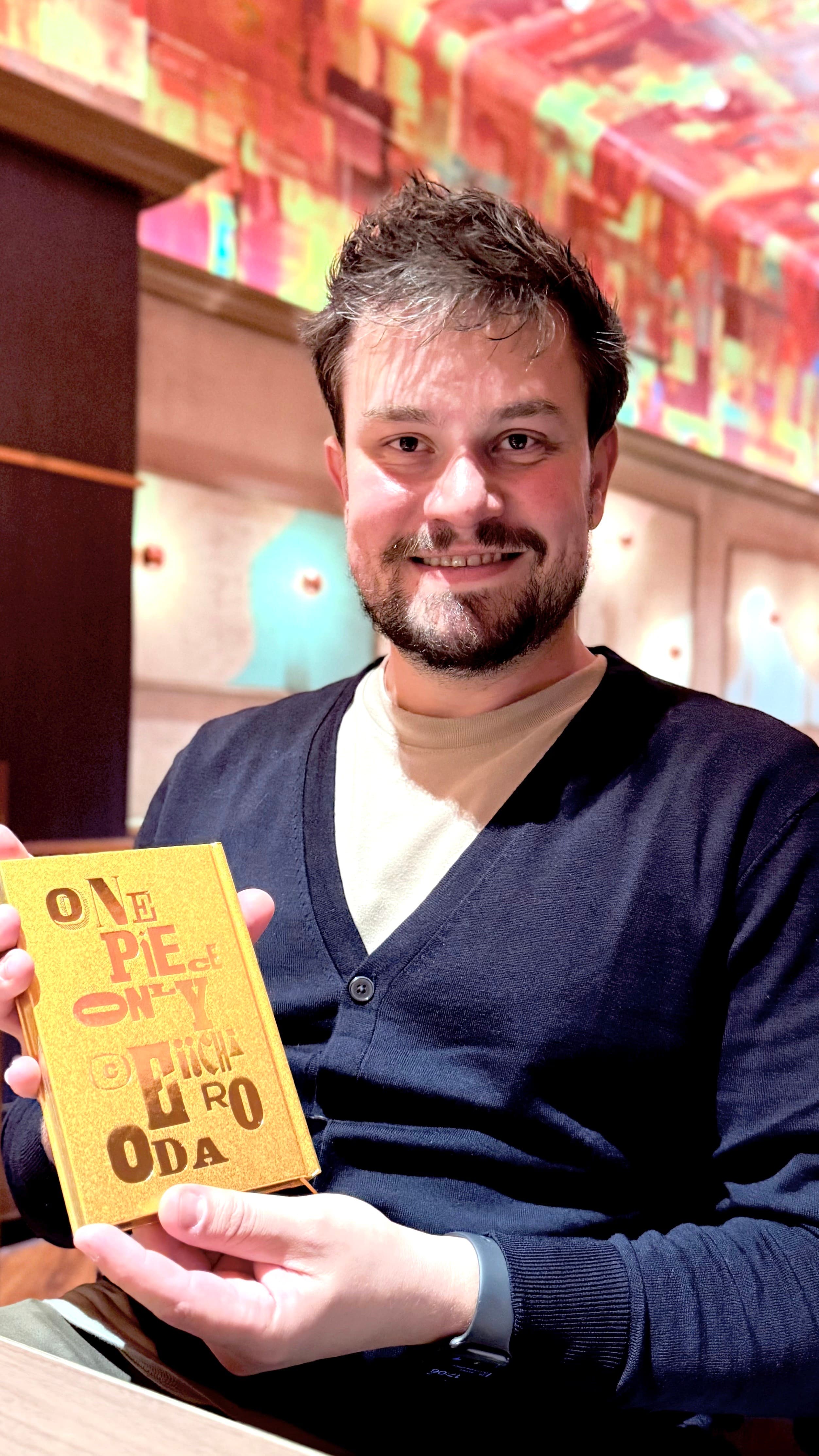

I’ve always been more interested in understanding how things work than accepting how they’re supposed to work.
That curiosity took me from advertising to UX and interaction design, from enterprise systems to AI, and from drawing interfaces to designing the decisions behind them.
I have an unhealthy curiosity for systems that everyone else calls “too complicated.”
Systems
I enjoy understanding why complicated things behave the way they do.
People
I enjoy understanding why complicated things behave the way they do.
AI & LLMs
I’m less interested in getting AI to answer. I’m more interested in helping people decide whether they should trust the answer.
Craft
Beautiful things matter. There's also the form & function thing, right?
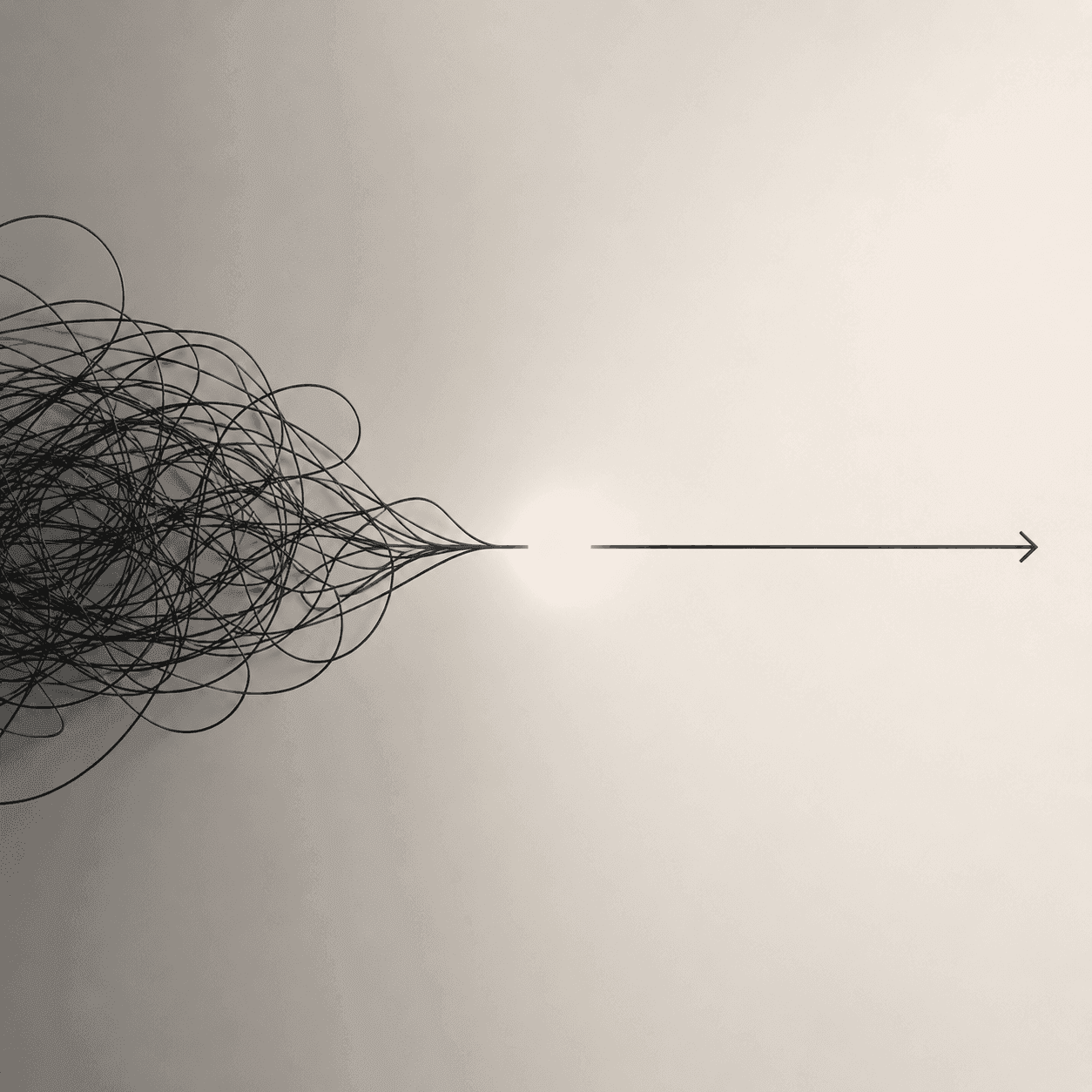
Translate complexity into direction
Dense workflows, expert users, data-heavy screens: I start with the system, not the screen. Flows, diagrams, and information architecture that give teams a shared picture — then an interface that makes the complexity feel obvious.
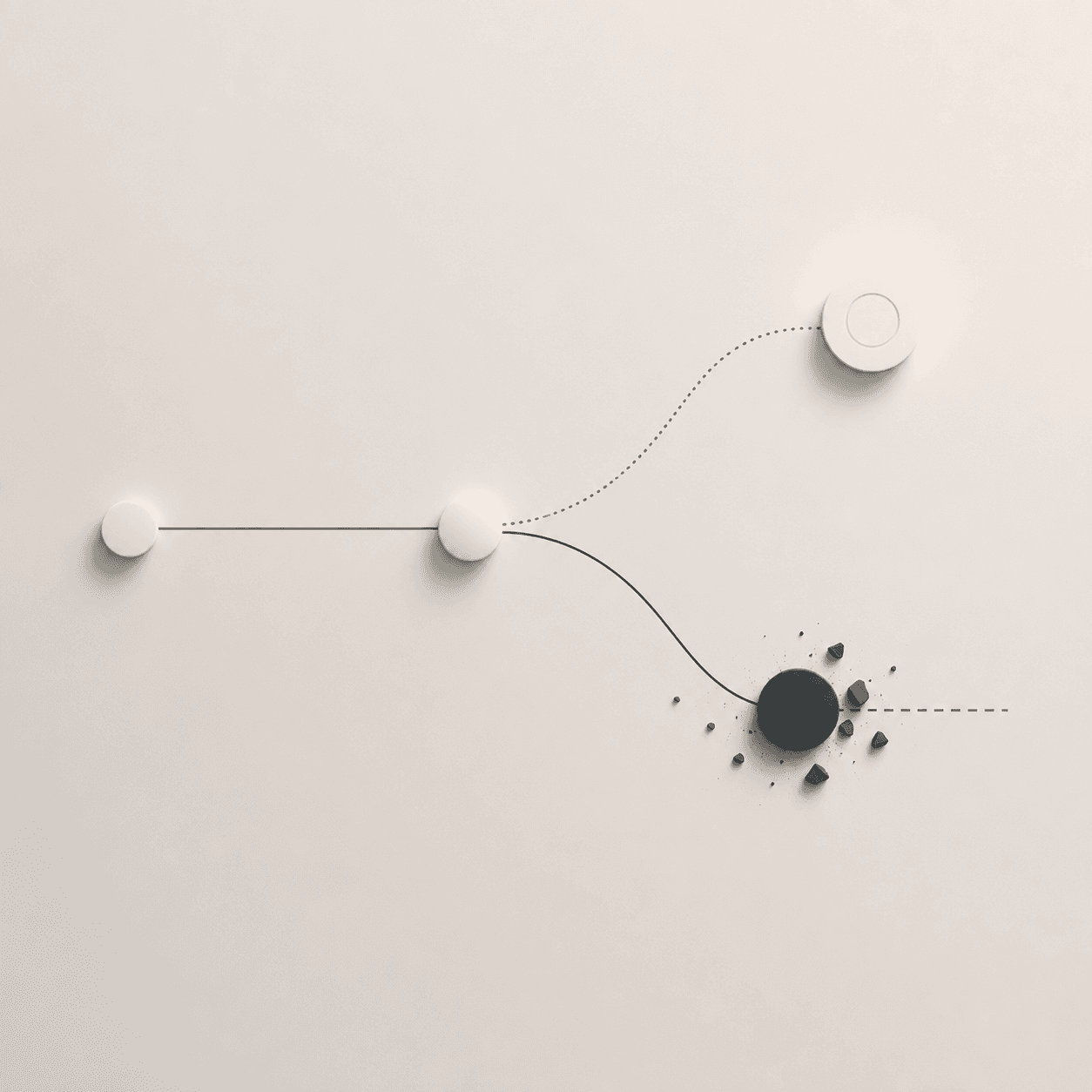
Design the failure states, not just the happy path
Any system fails sometimes; non-deterministic ones guarantee it. The craft lives in what happens then: confidence cues, partial results, override paths, and audit trails — so people can rely on the output without trusting it blindly.
Coded Prototypes that follow design system specs
Use AI agent-assisted coding to ship working prototypes that follow design system specs. I built an internal AI wireframing tool with Claude Code, and TaleWeaver is my live testbed for agentic, stateful UX. Design decisions survive the handoff because they're already in code.
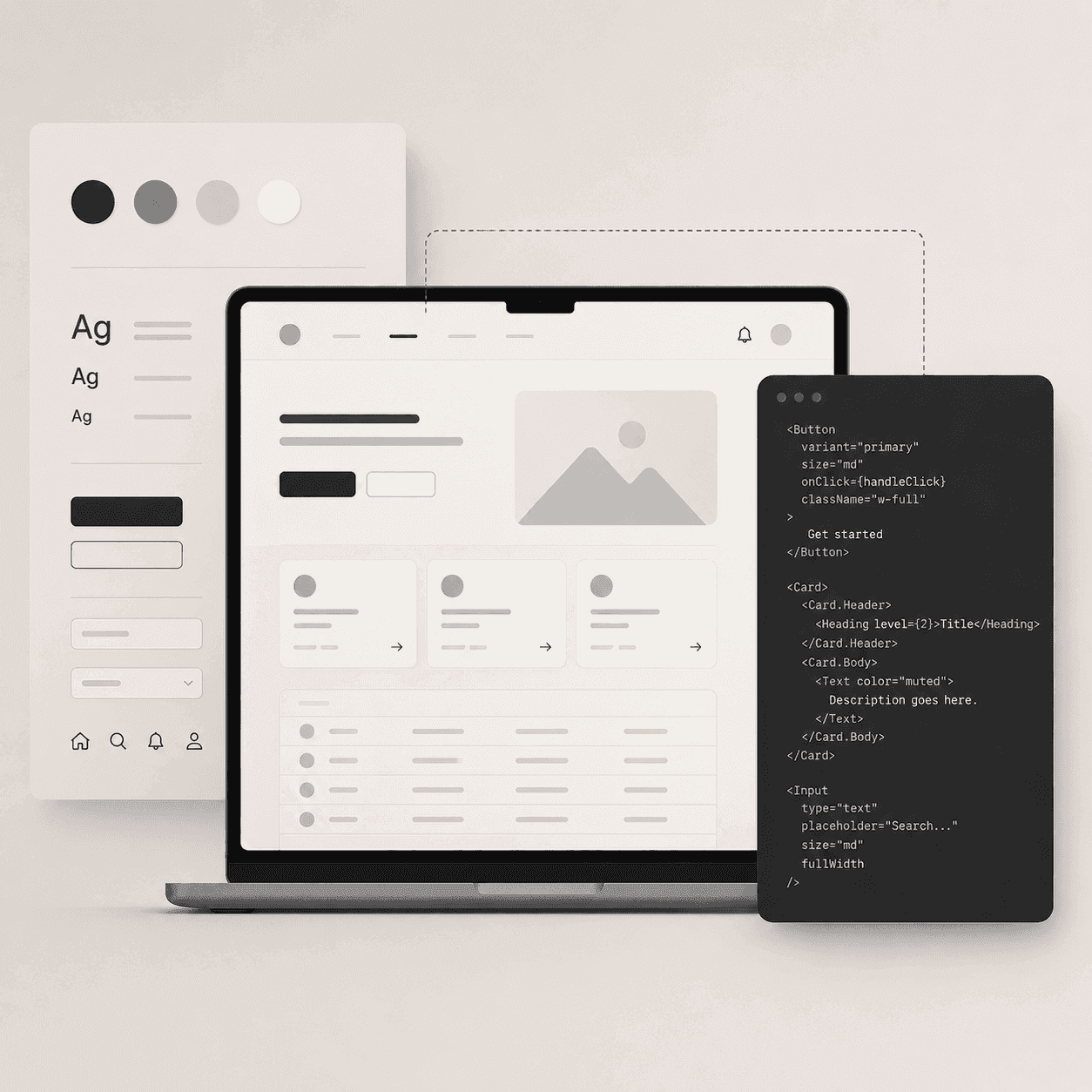
I use the right level of fidelity for the question in front of us.
 Figma
Figma Cursor
 Claude
 Codex
Codex Gemini
 Perplexity
 Antigravity
 Photoshop
 Illustrator
 Google Analytics
 Heap
Heap Storybook
 Sass
Sass Github
Every chapter changed the way I approach product design.
Understanding people
Advertising2009 – 2013
The first thing I learned wasn’t interface design. It was persuasion.
- Why people notice one message instead of another.
- Why they trust.
- Why they ignore.
That curiosity eventually pulled me toward UX.
People don’t respond to information. They respond to meaning.
UX, HCI & Interaction Design
Discovering systems2012 – Present
I realized the interesting part wasn’t the screen—it was everything behind it: permissions, workflows, information architecture, and the invisible rules that shaped people’s decisions.
This was the moment product design became more interesting than interface design.
Interfaces are only the visible part of a much larger system.
Understanding organizations
Enterprise SaaS · GovTech2017 – Present
Then I started working on products where mistakes actually mattered.
- Government.
- Financial systems.
- Enterprise software.
- Multiple stakeholders.
- Dense workflows.
- Millions of records.
This changed how I think about UX. The goal stopped being delight.
Confidence is often a better design goal than delight.
Understanding intelligence
e-TCE + Machine Learning2017 – 2018
My first experience with AI wasn’t LLMs. It was machine learning.
At the Brazilian Federal Court of Accounts, I worked on AI-assisted audit workflows where automation had to remain understandable, reviewable, and accountable.
That project taught me something I still believe today:
Automation matters. Accountability matters more.
Understanding uncertainty
e-TCE + Machine Learning2017 – 2018
Working with machine learning taught me that deterministic interfaces weren’t enough.
Users needed ways to understand uncertainty, inspect results, and recover from mistakes.
Years later, those same questions resurfaced with LLMs.
Products before models
Markerr Data Studio2025
At Markerr I wasn’t just designing interfaces. I was helping transform a company perception from a Data Provider to a Product Company.
That shift changed everything. Instead of shipping reports, we started building products.
That evolution eventually contributed to significant revenue growth, then acquisition.
Great products don’t just organize information. They change how companies create value.
LLMs first project
Ask Markerr.
LLMs changed something fundamental. For the first time, people could ask systems instead of learning them.
Ask Markerr wasn’t simply about replacing filters with conversation: It was about exploring how conversational interfaces could remain transparent, inspectable and trustworthy.
That idea continues to influence how I think about AI products today.
AI changes the interface. Trust changes the product.
Beyond design tools
My Current chapter.2026
Designing closer to reality. Today my work increasingly combines:
- product thinking
- interaction design
- coded prototypes
- AI-assisted development
- design systems
- implementation
The distance between an idea and working software has never been smaller. So, design needs to evolve accordingly.


What I’m exploring now
- Human–AI Interaction
- Product Evaluation
- Generative Interfaces
- Agentic UX
Off the clock, I go looking for focus in other forms:
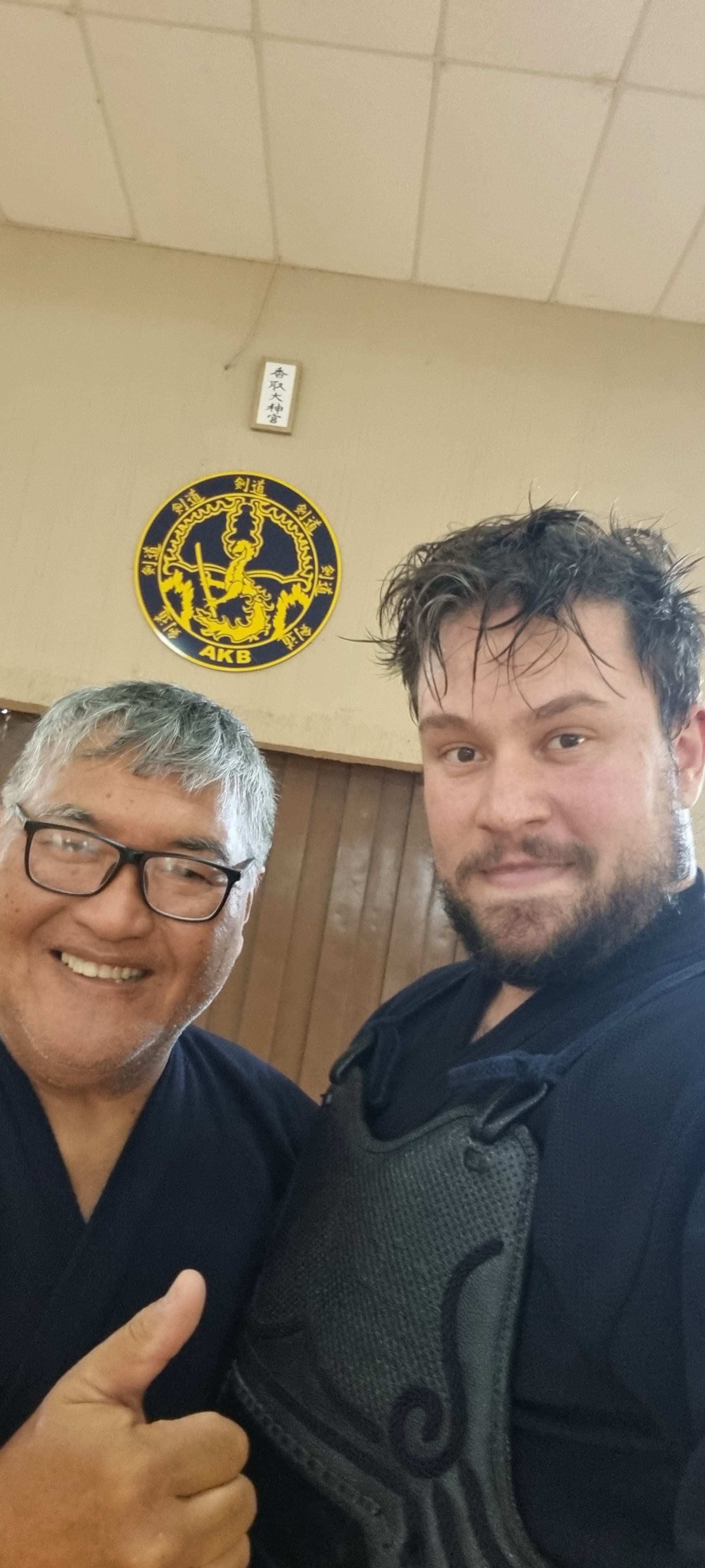
You will usually find me practising kendo, reading about human behaviour and technology, planning a trip, playing tabletop games, or enthusiastically testing a tool I discovered five minutes ago.
Kendo teaches discipline. Zen teaches attention. Games teach systems. Travel reminds me that most assumptions are local.
Somehow, they all find their way back into the work.